What Is a Post Indicator Valve?
A post indicator valve (PIV) is an above-ground valve assembly that controls and displays the status of water flow to fire sprinkler systems and wet standpipe systems.
When the main water supply valve is located underground or out of sight, a PIV provides a visible indicator showing whether the valve is open or shut, along with a means to operate it quickly.
Key Takeaways
- A post indicator valve (PIV) is an above-ground valve assembly that controls water flow to fire sprinkler systems.
- Closed valves are responsible for 61% of all fire sprinkler activation failures, making visual confirmation of valve position essential for building safety.
- Three PIV types serve different building configurations: ground post indicator valves installed outdoors, wall post indicator valves mounted horizontally through exterior walls, and pedestal post indicator valves bolted to concrete platforms inside buildings.
- PIVs include locking mechanisms using padlocks, wire seals, or electronic tamper switches that alert monitoring systems when valve position changes to prevent accidental or deliberate closure.
- NFPA 25 requires inspections weekly for unsupervised valves, monthly for locked valves, and quarterly for electronically monitored valves, plus annual full-range operation testing to prevent valves from becoming stuck due to corrosion or sediment buildup.
When firefighters arrive at a burning building, they need to know one thing immediately: Is water flowing to the sprinkler system?
Post indicator valves provide that critical answer at a glance, giving emergency responders instant visibility into water supply status.
What Is a Post Indicator Valve?
A post indicator valve (PIV) is an above-ground valve assembly that controls and displays the status of water flow to fire sprinkler systems and wet standpipe systems. When the main water supply valve is located underground or out of sight, a PIV provides a visible indicator showing whether the valve is open or shut, along with a means to operate it quickly.
The importance of PIV valves becomes clear when examining fire sprinkler failure data. According to the National Fire Protection Association's 2024 U.S. Experience with Sprinklers report, a closed valve is responsible for 61% of all fire sprinkler activation failures, showcasing just how important this is for overall building safety.
When sprinkler systems function as designed, fire spread is confined to the room or object of origin in 94% of fires in sprinklered properties, compared to just 70% in properties without automated suppression. This containment capability directly reduces property damage and preserves building integrity.
A PIV valve serves as a safeguard against one of the most common and preventable causes of sprinkler system failure.
How Does a PIV Valve Work?
Understanding the mechanics of a post indicator valve helps building owners and maintenance professionals recognize problems and ensure proper operation during emergencies.
A typical PIV consists of five main components working together to control underground water supply valves:
- Post Body - The vertical column that rises above ground level, providing structural foundation for the valve assembly
- Gate Valve - The internal mechanism that connects to the underground water supply pipe's shutoff valve, controlling actual water flow to the fire protection system
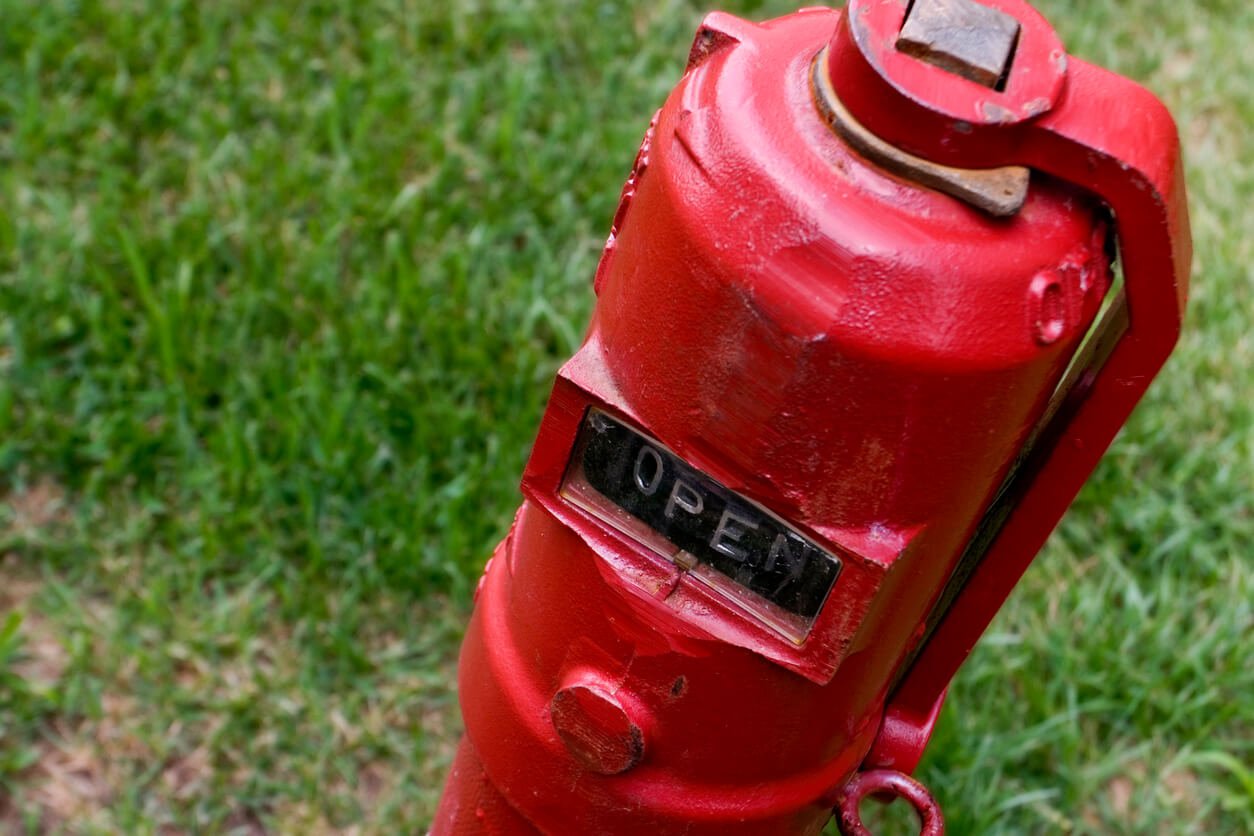
- Visual Indicator Window - Positioned at the top of the post, displays either "OPEN" or "SHUT" to show current valve position at a glance
- Wrench Actuator - Sits on the exterior and is used to turn the operating nut, rotating the gate valve to open or close water supply
- Locking Mechanism - Secures the valve and prevents tampering using padlocks, wire seals, or electronic tamper switches that alert monitoring systems when valve position changes
Knowing what to look for can help you easily spot (and correct) issues in your facility. For example, checking the visual indicator window is critical because an accidentally closed valve could leave an entire building unprotected.
What Is a Post Indicator Valve Used For?
Post indicator valves serve several critical functions in fire protection systems, all centered on providing reliable control and visibility of water supply to sprinklers and standpipes.
The primary use is emergency water control during fire events. When a fire activates sprinkler heads, first responders need immediate confirmation that water is flowing.
PIV valves also support routine maintenance and system repairs. When technicians work on sprinkler components, they use the PIV to shut off water supplies without accessing underground valves, making maintenance faster and safer.
Leak and break response is another key application. If a pipe bursts, building personnel can quickly shut off water flow using the PIV to prevent serious damage.
What Is a Common Location for a Post Indicator Valve?
Post indicator valves are positioned strategically to provide easy access for emergency responders while remaining protected from accidental damage. Three main types of PIV installations serve different building configurations.
Ground Post Indicator Valves
Ground post indicator valves are the most common type, used when the main water supply valve is located underground outside the building. The lower portion is buried while the upper section protrudes above grade, featuring a lockable wrench-type handle. These are recognizable by their red color and circular "PIV" symbol.
Wall Post Indicator Valves
Wall post indicator valves (WPIV) mount horizontally to the exterior of a building, perpendicular to the wall surface. This configuration is used when water mains pass through a wall cavity. Wall-mounted PIVs are operated with a lockable handwheel but are less preferred because they are vulnerable to damage during building collapse.
Pedestal Post Indicator Valves
Pedestal post indicator valves function similarly to ground posts but are bolted through a flange to a concrete platform rather than buried. This type is used inside buildings where water mains are underground, but buried installation is not practical.
Selecting the right PIV type depends on your building's configuration, water main location, and site conditions.
What Are PIV Inspection and Maintenance Requirements?
The National Fire Protection Association (NFPA) sets the standard for PIV inspection and maintenance through NFPA 25, Standard for the Inspection, Testing, and Maintenance of Water-Based Fire Protection Systems.
Following these requirements helps ensure your PIV functions properly when it matters most and keeps your facility compliant with fire codes and insurance requirements.
Inspection Frequency
How often you inspect depends on how the valve is secured:
- Unsupervised valves - Weekly visual inspection
- Valves secured with locks - Monthly inspection
- Valves with electrical tamper switches - Quarterly inspection, as electronic monitoring provides continuous oversight between inspections
What to Check During Inspections
During each inspection, verify the valve is in the normal open position, properly sealed or locked, accessible, and free from external leaks. The indicator window should be clean and readable, and the correct PIV wrench should be available for emergency operation.
Annual and Ongoing Maintenance
Each control valve must be operated through its full range at least annually and returned to the normal open position. This exercise prevents valves from becoming stuck due to corrosion or sediment buildup.
Monthly valve cycling through an open-close-open sequence is also recommended to maintain smooth operation, and the wrench mechanism should be lubricated annually with non-detergent oil.
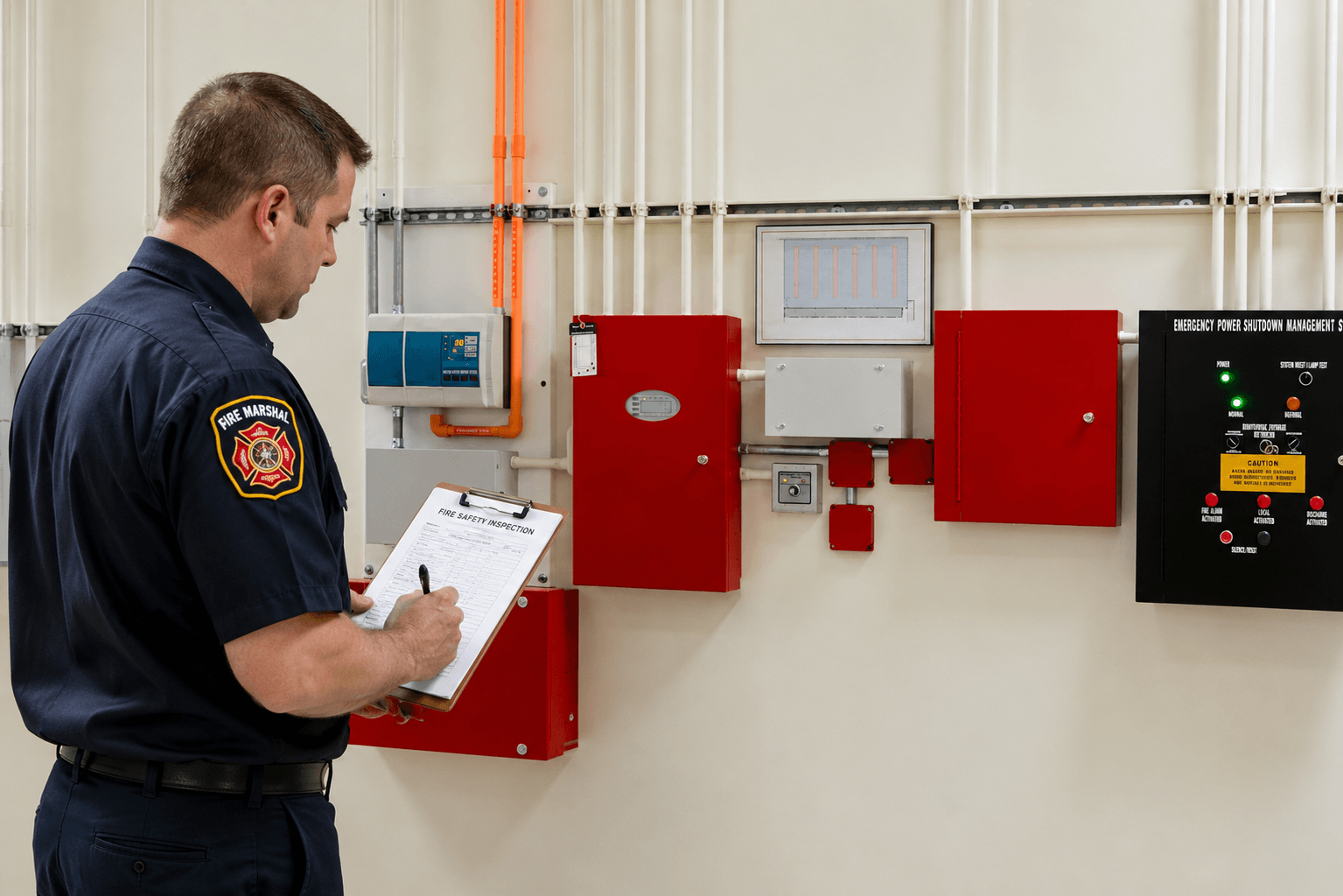
Documenting all inspections creates a maintenance record that demonstrates compliance during fire marshal inspections and supports insurance claims if an incident occurs.
Protect Your Property with Professional PIV Maintenance
Post indicator valves may appear simple, but they play a critical role in ensuring your fire sprinkler system functions when lives and property are at stake.
A single closed valve accounts for the majority of sprinkler system failures, making regular PIV inspection an important fire safety investment for building owners.
Partner with qualified fire protection professionals who can assess your PIV valves, ensure proper installation, and establish a comprehensive inspection schedule meeting NFPA requirements.
Contact Impact Fire today to schedule a PIV inspection or learn more about integrating post indicator valve maintenance into your fire and life safety program.