How to Install a Knox Box for Emergency Access
A Knox Box should be mounted 6-8 feet above ground level, within 3 feet of the main entrance, and bolted securely to an exterior wall. The full process from ordering to fire department lock-up takes approximately three to four weeks.
When firefighters arrive at your building during an emergency, every second counts.
Knox Boxes provide fire departments with immediate, non-destructive access to your property, reducing costly forced entry and response delays.
Today, we’ll go through the installation process step by step to help you get this safety tool up and running at your facility.
Key Takeaways
- Install your Knox Box 6-8 feet above grade and within 3 feet of the principal entrance, facing the street for quick identification by responding crews.
- Knox Boxes are keyed to your local fire department, so ordering under the correct jurisdiction is essential for firefighters to access the box during emergencies.
- Include master keys, access cards, elevator keys, fire alarm panel keys, and emergency contact information, with all items clearly labeled for fast identification.
- Schedule an inspection after installation so a fire department representative can verify placement, secure your keys, and lock the box with the department's master lock.
- Update keys immediately whenever locks are changed or rekeyed to ensure the Knox Box serves its purpose during an actual emergency.
Why Your Building Needs a Knox Box
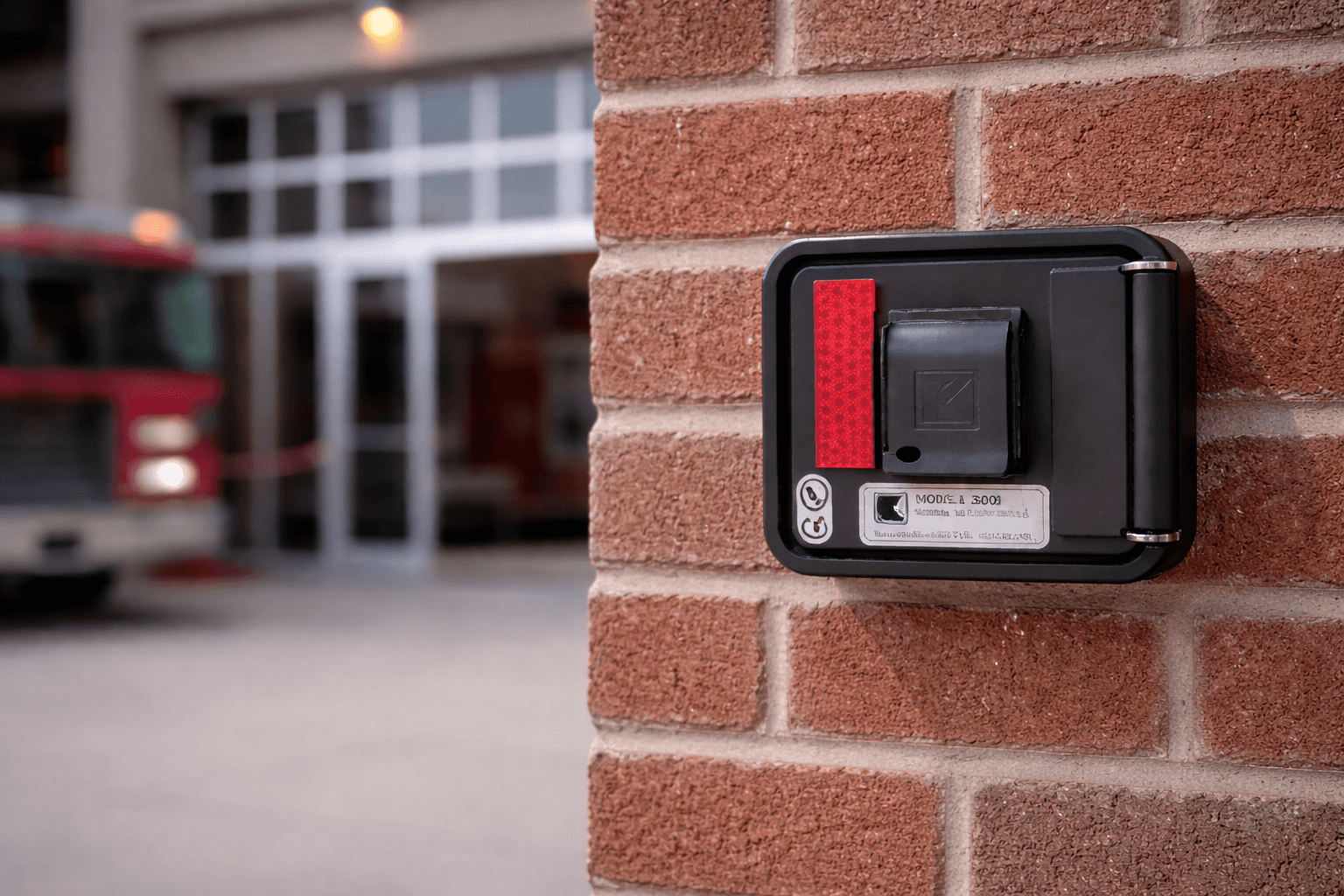
A Knox Box is a small, wall-mounted safe that securely stores building keys, access cards, and other entry devices for fire department use during emergencies.
Buildings that typically require Knox Box installation include:
- Commercial properties with monitored fire alarms
- Facilities with automatic sprinkler systems
- Multi-tenant buildings with secured access
- Gated communities and properties with restricted entry
- Buildings containing hazardous materials.
For building owners and facility managers, a Knox Box represents a small investment that protects against significant property damage, demonstrates compliance with fire codes, and supports faster emergency response times.
5 Steps For How to Install a Knox Box
Installing a Knox Box involves several steps, from ordering the correct model to coordinating with your local fire department for final lock-up.
Step 1 - Order Your Knox Box
Order your Knox Box through the manufacturer by entering your location and selecting your local fire department. This step is critical because each Knox Box is keyed specifically to your jurisdiction's fire department. Ordering under the wrong department will result in a box that local firefighters cannot open.
Step 2 - Select the Right Model
Choose the model that fits your building's needs. Commercial options range from compact boxes holding up to 10 keys for single-tenant buildings to larger vault-style boxes holding up to 50 keys for multi-tenant or multi-story buildings.
Step 3 - Choose Your Mounting Type
Knox Boxes are available in surface-mount and recessed-mount configurations. Surface-mount boxes attach directly to an exterior wall and are easier to install. Recessed-mount boxes sit flush with the wall surface, providing additional security and a cleaner appearance. Many jurisdictions require recessed mounting for new construction, so check with your local building codes.
Step 4 - Mount the Knox Box
Once your Knox Box arrives, install it according to the manufacturer's instructions. The box must be bolted to the wall, not glued. Use appropriate anchors for your wall type, whether masonry, concrete, or wood framing. For proper weatherproofing, apply caulk along the top and sides of the box, leaving the bottom open for drainage.
Step 5 - Contact the Fire Department
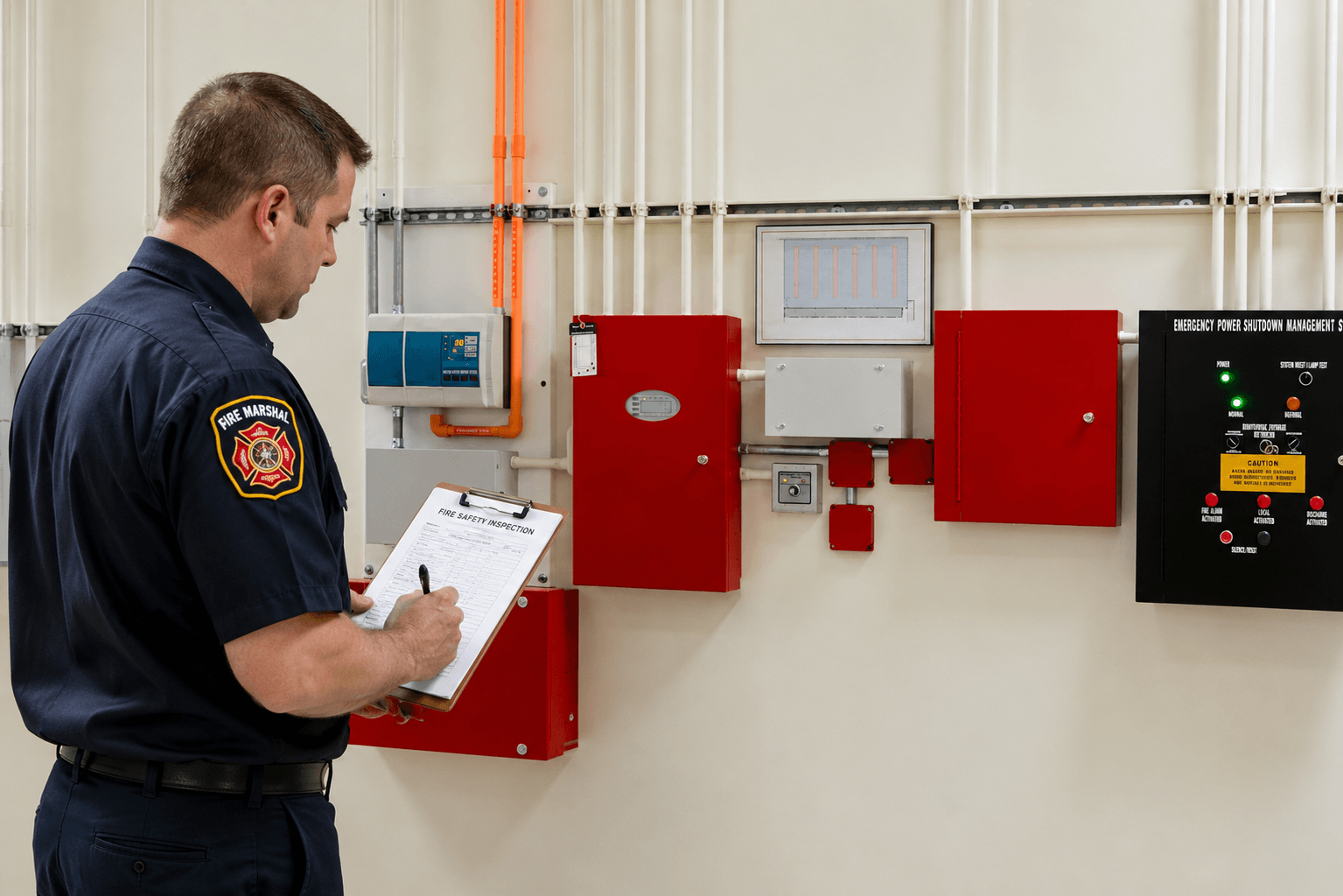
After installation, contact your local fire marshal's office to schedule an inspection. A fire department representative will verify the installation location, inspect the mounting, place your building keys inside, and secure the box with the department's master lock.
How High Should You Install a Knox Box on the Wall?
Proper mounting height ensures firefighters can quickly locate and access the Knox Box during an emergency. Most fire departments specify installation height between 6 and 8 feet above finished grade, measured to the bottom of the box.
This height range provides easy access for firefighters while offering resistance to vandalism and tampering. Installing the box too low makes it vulnerable to damage and unauthorized access attempts, while mounting it too high can delay emergency response. Always confirm the specific height requirement with your local fire marshal, as specifications vary by jurisdiction.
Also, be sure the mounting surface is structurally sound and accessible from ground level in any weather condition. Avoid locations that could be obstructed by landscaping, vehicles, or seasonal decorations.
Horizontal Placement Requirements
Knox Boxes must be installed within 3 feet horizontally of the principal entrance door or another entrance approved by the fire department. The box should be mounted on the address side of the building, facing the street, unless the fire department approves an alternate location. This placement ensures responding crews can quickly identify the box upon arrival.
For buildings with multiple entrances or wings, the fire department may require additional Knox Boxes at secondary access points. Always confirm placement requirements with your local fire marshal before installation, as specifications vary by jurisdiction.
How Long Does It Take to Install a Knox Box?
The total time from ordering to completed installation typically ranges from two to four weeks, depending on shipping times and fire department scheduling.
Ordering and Delivery
Once you place your order through the Knox Company website, expect delivery within one to two weeks. Knox Boxes ship directly to your specified address or, in some jurisdictions, to the fire department for distribution.
Physical Installation
The physical mounting process takes approximately 30 minutes to one hour for a standard surface mount installation. Recessed installations require additional time for cutting into the wall and may take two to three hours depending on wall construction. If you are adding a tamper switch that connects to your building's alarm system, a qualified alarm technician will need additional time for wiring and testing.
Fire Department Coordination
After installation, you will need to schedule an appointment with the fire department to have your keys secured inside the box. Response times vary by jurisdiction, but most fire departments can complete this step within one to two weeks of your request. Some departments offer scheduled appointment windows, while others handle lock-ups during routine inspections.
What to Put Inside Your Knox Box
The contents of your Knox Box should provide firefighters with everything they need to access your building and its fire protection systems during an emergency.
Required Contents
Most fire departments require the following items inside each Knox Box:
- Master keys - Keys that provide access to the building's main entrance and all interior areas relevant to emergency response, including mechanical rooms, electrical rooms, and fire riser rooms
- Access cards and key fobs - Electronic credentials for buildings with card reader or fob-controlled entry systems
- Elevator keys - Drop keys or firefighter service keys for elevator recall and operation
- Fire alarm panel keys - Keys for the fire alarm control panel, annunciator panel, and manual pull stations
- Gate keys and codes - Keys or access codes for any perimeter gates or barriers
Recommended Contents
Many fire departments also recommend including emergency contact information with primary and secondary contact names and phone numbers, building floor plans on a USB drive in a protective plastic bag, and hazardous materials information if applicable to your facility.
Labeling Considerations
All keys stored inside the Knox Box must be clearly tagged and labeled with their purpose, such as "Master," "Elevator," "Alarm Panel," or "Roof Access." Proper labeling allows firefighters to quickly identify the correct key without fumbling through unmarked keys during an emergency.
If your building's locks are ever changed or rekeyed, contact the fire department immediately to update the keys in your Knox Box. Outdated keys defeat the purpose of the rapid entry system and could delay emergency response.
Ensure Proper Knox Box Installation for Rapid Emergency Access
A properly installed Knox Box is a critical component of your building's fire and life safety infrastructure. Correct mounting height, appropriate placement near the main entrance, and complete key contents ensure firefighters can access your property quickly when emergencies occur.
Building owners and facility managers should work with their local fire department to confirm specific installation requirements for their jurisdiction.
For comprehensive fire protection that integrates fire alarms, sprinkler systems, and emergency access planning, partner with an experienced fire protection company that understands local codes and compliance requirements.
Contact Impact Fire to discuss your building's fire and life safety needs.