Why Are Fire Alarm Backup Batteries So Important for Building Fire Safety?
Fire alarm backup batteries maintain continuous fire protection during power outages, which often coincide with emergencies like severe weather and facility incidents.
Without them, fire alarm systems fail during the critical moments when detection and notification matter most, leaving occupants unprotected.
When the power goes out, your fire alarm system faces its most crucial test.
But electrical failures frequently coincide with the very emergencies these systems are designed to detect.
For safety managers, backup batteries for fire alarm systems represent far more than regulatory compliance—they're the critical barrier between a functioning life safety infrastructure and system failure during the moments when protection matters most.
Key Takeaways
- Fire alarm backup batteries activate within milliseconds of power loss, providing immediate protection.
- Battery failures stem from predictable causes, including age degradation, temperature extremes, and sulfation from improper charging cycles
- Sealed lead-acid batteries offer lower upfront costs and 3-5 year lifespans, while lithium-ion batteries provide 8-10 years of service with better temperature tolerance at higher initial investment
- NFPA 72 mandates monthly visual inspections and annual load testing with documented records—inadequate maintenance can result in code violations and insurance claim denials
What Is a Fire Alarm Backup Battery?
A fire alarm backup battery serves as the secondary power source that automatically maintains system operations when primary electrical service fails.
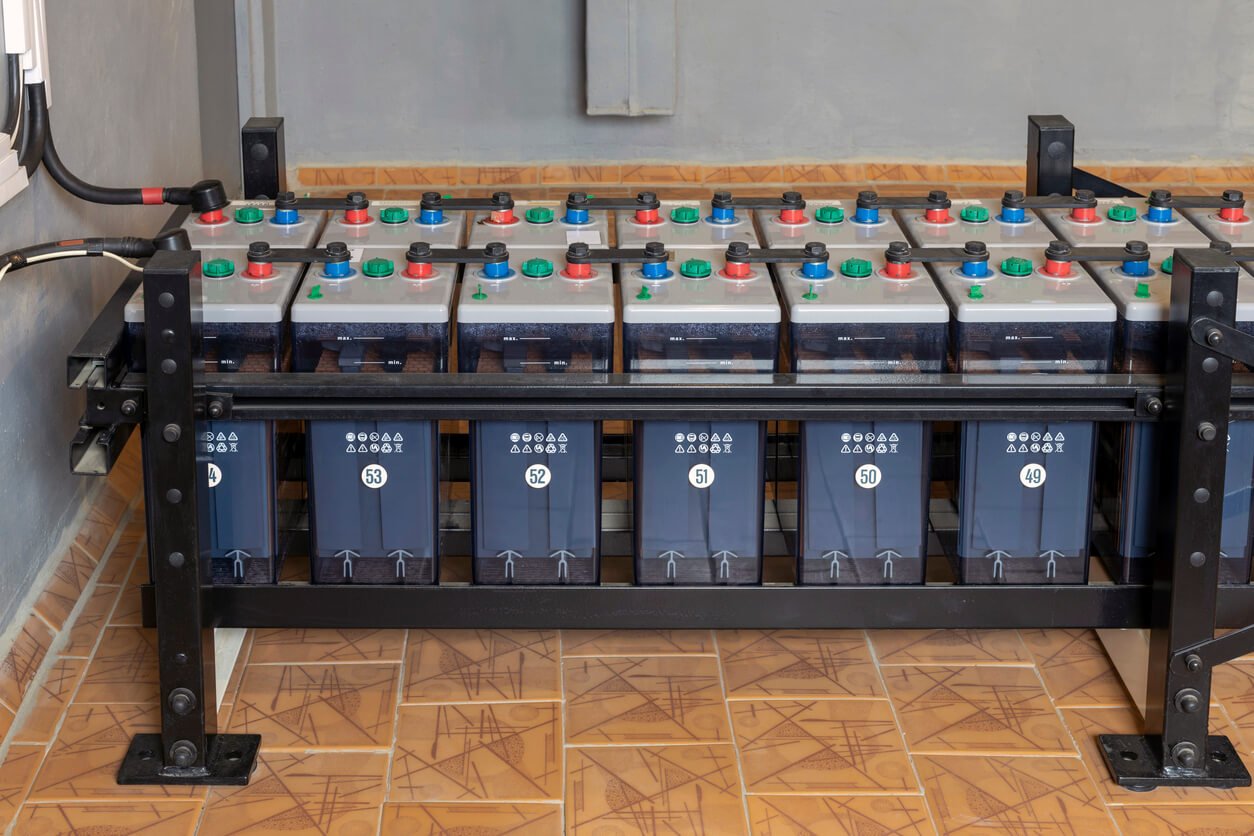
Fire alarm backup batteries typically consist of sealed lead-acid or lithium-ion cells sized to match the specific power requirements of the connected system.
How is a Fire Alarm Backup Battery Different from a Generator?
Unlike generators, which require startup time and may take 10 to 30 seconds to come online, backup batteries provide immediate, seamless power within milliseconds of detecting a power loss. This instantaneous response is precisely why NFPA 72 specifically mandates battery backup as the primary failover system for fire alarm installations.
In facilities with comprehensive emergency power strategies, these batteries work in tandem with generator systems—the batteries bridge the critical gap during generator startup, while generators can extend protection beyond the battery's capacity during prolonged outages.
Why Fire Alarm Backup Batteries Matter
According to the U.S. Energy Information Administration, the average commercial facility experiences 4.7 power interruptions annually, with outages lasting an average of 284 minutes.
These disruptions don't occur in isolation. Power failures often accompany severe weather events, equipment malfunctions, or facility emergencies—the exact conditions when fire detection capabilities become most critical. The 24-hour minimum backup requirement ensures that fire alarm systems maintain continuous operation through extended outages, providing adequate time for power restoration or emergency response.
Two Main Types of Fire Alarm Backup Batteries (+ Selection Criteria)
Choosing the right backup battery for your fire alarm system means understanding the available technologies and your facility's specific requirements. Here are the most common.
1. Sealed Lead-Acid Batteries
Sealed lead-acid (SLA) batteries remain the most common choice for fire alarm backup power. These batteries offer reliable performance at a lower initial cost and have a proven track record in fire protection applications.
SLA batteries typically last three to five years and work well in temperature-controlled environments. Standard SLA units provide consistent discharge rates and require minimal maintenance beyond routine testing.
2. Lithium-Ion Battery Technology
Lithium-ion batteries represent a newer option gaining traction in fire alarm applications. These batteries offer several advantages: longer lifespan (up to 10 years), lighter weight, better performance in temperature extremes, and faster recharge times.
However, they come with higher upfront costs and may require compatible charging systems in older fire alarm panels.
Key Selection Factors
Safety managers must consider several criteria when selecting backup batteries:
- System Power Requirements: Calculate the total current draw of your fire alarm system, including all connected devices, notification appliances, and communication equipment. The backup battery must provide adequate ampere-hour capacity to meet NFPA 72's 24-hour plus 5-minute requirement.
- Environmental Conditions: Evaluate where your fire alarm control panel is located. Facilities with unconditioned spaces may benefit from lithium-ion batteries' superior temperature tolerance, while climate-controlled equipment rooms allow standard SLA batteries to perform optimally.
- Total Cost of Ownership: Consider replacement frequency and labor costs. A lithium-ion battery costing three times more than SLA but lasting twice as long may provide better long-term value, especially in facilities where battery replacement requires significant labor or system downtime.
- Compatibility Requirements: Verify that your existing fire alarm control panel supports the battery technology you're considering. Some older panels may require charging system upgrades to accommodate lithium-ion batteries.
Matching the right battery technology to your facility's specific conditions ensures reliable backup power while optimizing maintenance costs and system longevity.
Common Causes of Fire Alarm Battery Failure
Fire alarm batteries fail for predictable reasons, often at the worst possible moments.
Age and Degradation
Sealed lead-acid batteries, the most common type in fire alarm applications, maintain effective capacity for three to five years under ideal conditions. Real-world environments accelerate this decline through temperature extremes, inadequate ventilation, and improper charging cycles.
Temperature Sensitivity
According to research from Battery University, for every 8°C (15°F) increase above the recommended 25°C (77°F) operating temperature, battery life decreases by approximately 50 percent. Fire alarm control panels located in unconditioned mechanical rooms, attics, or near heat-generating equipment face accelerated degradation that can cut expected lifespan in half.
Sulfation and Charging Issues
When batteries remain partially discharged or experience infrequent full charge cycles, lead sulfate crystals form on the battery plates and harden over time. This reduces the battery's ability to accept and hold a charge, eventually rendering it incapable of supporting the fire alarm system during an outage.
Warning Signs Safety Managers Should Monitor
The most obvious indicator is persistent beeping or chirping from fire alarm panels—a supervisory signal indicating low battery voltage or charging system failure.
If your facility is experiencing these alerts, understanding why your fire alarm is beeping can help you quickly identify whether battery replacement is necessary.
Additional warning signs include visible corrosion on battery terminals, swelling or bulging battery cases, and system trouble indicators on the control panel.
Key Regulatory Requirements and Compliance Standards for Backup Batteries
We’ve already covered the main requirements outlined in NFPA 72 (minimum 24-hour backup time plus five minutes), but it also specifies testing and maintenance protocols.
Fire alarm backup batteries must undergo functional testing at specific intervals:
- Monthly visual inspections to verify proper connections
- Annual load testing to confirm adequate capacity.
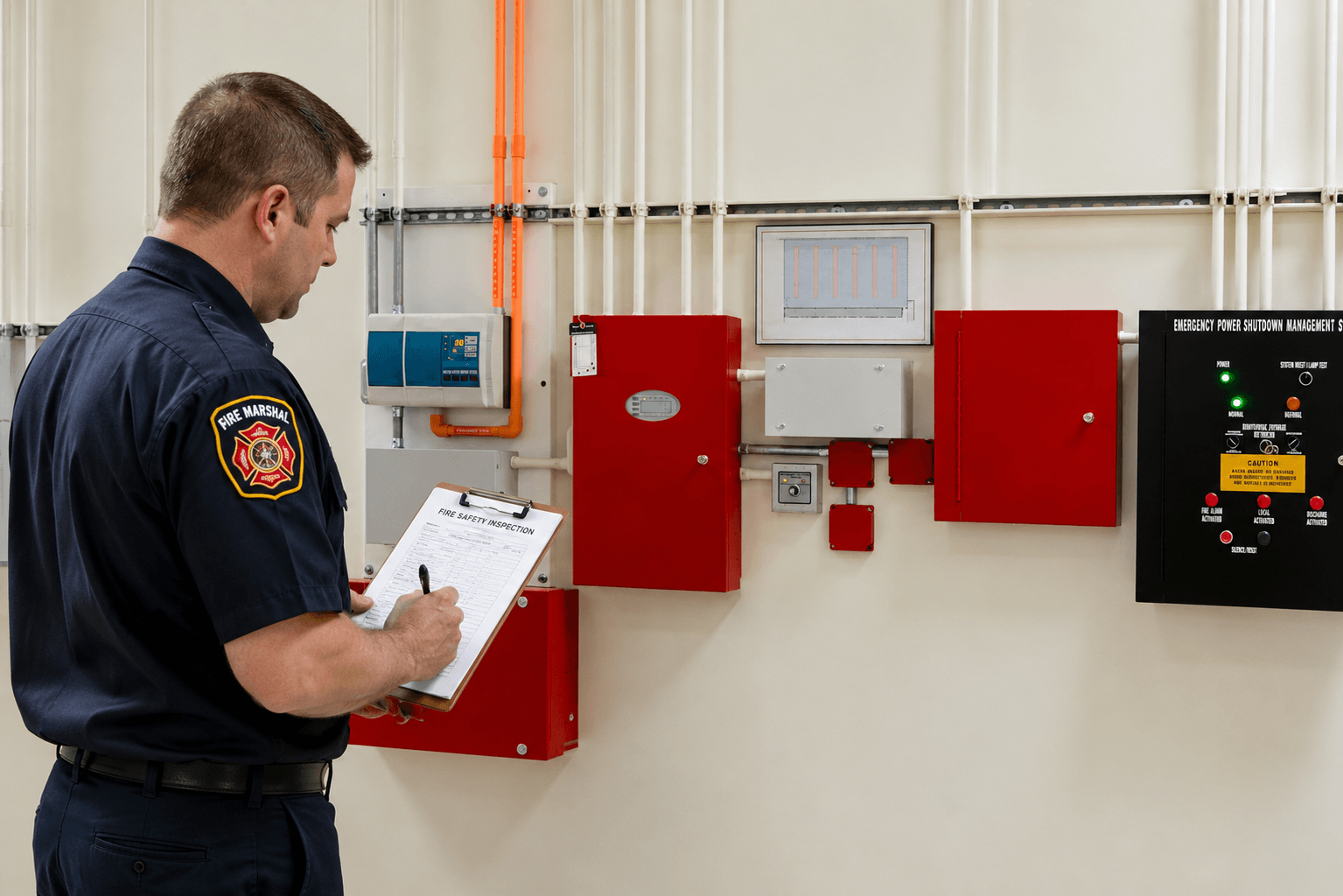
These tests must be documented, and records maintained for inspection by the authority having jurisdiction. Safety managers who fail to maintain proper documentation face potential code violations during routine fire marshal inspections, even if the batteries themselves remain functional.
The compliance implications extend beyond fire codes. Insurance carriers increasingly scrutinize fire protection system maintenance records when evaluating commercial property policies. A documented history of backup battery failures or inadequate testing can result in coverage limitations or premium increases. In the event of a fire-related loss, insurers may deny claims if they can demonstrate that inadequate backup power compromised the fire alarm system's ability to provide early warning or activate suppression systems.
The goal with understanding and complying with these regulatory frameworks is ensuring that your facility maintains continuous fire protection.
Protect Your Facility with Reliable Fire Alarm Backup Power
Backup batteries for fire alarm systems represent a critical investment in continuous fire protection. When primary power fails during emergencies, these systems bridge the gap between electrical failure and restored safety operations.
Safety managers who prioritize proper backup battery selection, regular testing, and proactive replacement schedules ensure their facilities maintain code compliance while protecting occupants from the consequences of system failure during critical moments.
Don't wait for a power outage to discover your fire alarm backup system isn't ready. Contact the fire protection experts at Impact Fire to schedule a comprehensive fire alarm inspection, battery load testing, and backup power system evaluation.