What Is a Carbon Dioxide Fire Extinguisher?
A carbon dioxide fire extinguisher is a portable fire suppression device that uses pressurized CO2 gas to extinguish fires by displacing oxygen around flames.
These extinguishers are specifically designed for Class B fires (flammable liquids) and Class C fires (electrical equipment), making them essential for facilities with sensitive electronic infrastructure where residue-free fire suppression is critical.
When electrical fires threaten server rooms or flammable liquids ignite in industrial spaces, carbon dioxide fire extinguishers provide a critical advantage that other fire suppression methods cannot match.
These specialized extinguishers leave no residue behind, protect sensitive equipment without causing additional damage, and address fire hazards that water-based systems would only worsen.
For building owners managing commercial properties with valuable electrical infrastructure or flammable liquid storage, you need to understand this essential fire safety equipment.
Key Takeaways
- Carbon dioxide fire extinguishers use pressurized CO2 gas to suppress fires by displacing oxygen, leaving no residue behind—making them ideal for protecting sensitive electrical equipment and electronics in data centers, server rooms, and laboratories.
- CO2 extinguishers are specifically designed for Class B fires (flammable liquids like gasoline and oil) and Class C fires (energized electrical equipment), but they're ineffective on Class A fires involving ordinary combustibles that can smolder and reignite.
- Always hold CO2 extinguishers by the handle only—never touch the discharge horn during or immediately after use, as temperatures reach -78°C (-109°F) and can cause severe freeze burn or frostbite within seconds.
- Never use CO2 extinguishers in confined spaces without adequate ventilation, as the gas displaces oxygen and can cause asphyxiation; always evacuate to fresh air immediately after discharge.
- NFPA 10 requires monthly visual inspections and annual professional maintenance by qualified technicians to ensure CO2 extinguishers remain reliable and compliant with fire safety regulations.
What Are Carbon Dioxide Fire Extinguishers?
A carbon dioxide fire extinguisher is a portable fire suppression device that uses pressurized CO2 gas to extinguish fires by displacing oxygen around the flames.
Unlike water or foam extinguishers that leave behind wet residue, or dry chemical extinguishers that coat surfaces with powder, CO2 extinguishers release an odorless gas that evaporates completely after discharge.
Picture a server room fire where flames erupt from an overheated electrical panel. A CO2 extinguisher can suppress those flames without damaging the expensive servers, switches, and other electronic equipment surrounding the fire source.
How Do Carbon Dioxide Extinguishers Work?
Carbon dioxide extinguishes fires through a process called oxygen displacement.
Fire requires three elements to burn: fuel, heat, and oxygen—commonly known as the fire triangle.
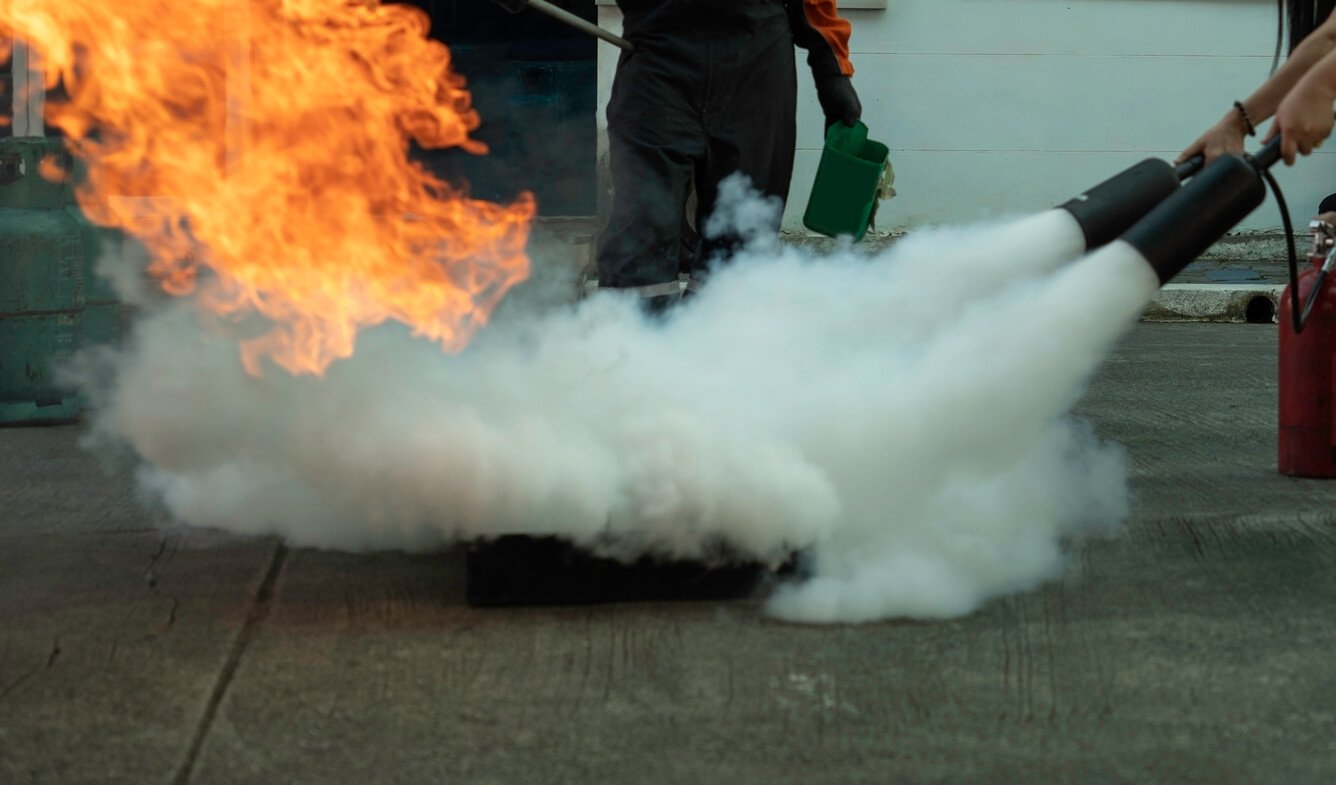
When you discharge a CO2 extinguisher, the pressurized carbon dioxide rapidly expands as it exits the cylinder through the discharge horn. This expansion creates a cold, dense cloud of gas that blankets the fire and pushes away the surrounding oxygen. Without sufficient oxygen to sustain combustion, the flames suffocate and die.
The gas doesn't chemically react with the burning materials or leave any residue after it dissipates. It simply displaces oxygen and vanishes.
What Types of Fires Do They Put Out?
These clean extinguishing agents are specifically designed for Class B and Class C fires.
- Class B fires involve flammable liquids such as gasoline, oil, grease, and solvents—materials commonly found in industrial facilities, laboratories, and maintenance areas.
- Class C fires involve energized electrical equipment, including appliances, circuit breakers, wiring, and machinery.
Data centers housing millions of dollars in servers cannot afford water damage from sprinkler systems. Laboratories with precision instruments need fire protection that won't contaminate experiments or equipment. Manufacturing facilities with CNC machines and electronic controls require suppression methods that won't cause corrosion or require extensive cleanup. CO2 extinguishers solve these challenges
The electrically non-conductive properties of carbon dioxide make it ideal for these applications, as the gas won't conduct electricity back to the operator or cause short circuits in nearby equipment.
When Not To Use A CO2 Extinguisher
Using the wrong extinguisher type can worsen fires, cause injuries, or waste precious seconds during emergencies.
Here’s when not to use a CO2 extinguisher:
- Class A fires involving ordinary combustibles like paper, wood, cloth, and plastics create deep-seated fires that continue smoldering beneath surfaces—once CO2 gas dissipates, oxygen returns and these embers reignite, sometimes within minutes.
- Class K fires involving cooking oils and fats require specialized wet chemical extinguishers, as CO2 cannot adequately cool superheated oils below their auto-ignition temperature and the powerful discharge can splash burning oil onto nearby surfaces.
- Metal fires classified as Class D need specialized dry powder agents matched to the specific metal burning, as combustible metals like magnesium and titanium react violently with CO2 and most standard extinguishing agents.
Additionally, outdoor fires defeat CO2 effectiveness because wind disperses the gas before it can concentrate around flames, making extinguishment nearly impossible.
Building owners who deploy fire extinguishers strategically create safer environments where occupants can respond effectively during emergencies.
Carbon dioxide excels in specific applications, but attempting to use it beyond those boundaries wastes critical time and potentially worsens fire conditions.
Tips To Safely Use A Carbon Dioxide Fire Extinguisher
Operating a carbon dioxide fire extinguisher starts by understanding the PASS method. Keep in mind, CO2 extinguishers demand special attention due to the extreme cold they generate.
Start by pulling the safety pin from the handle. Once removed, you've broken the tamper seal and activated the extinguisher for use. Stand at least six to eight feet back from the fire—closer than this puts you at risk from flames and heat, while farther away reduces the effectiveness of the CO2 stream.
Never touch the discharge horn during operation. When CO2 converts from liquid to gas inside the cylinder, it exits at temperatures around -78°C (-109°F), which, when touched, could cause severe freeze burn or frostbite within seconds of contact.
Aim the horn at the base of the fire, not at the flames themselves.
- For electrical fires, direct the CO2 stream straight at the burning equipment.
- For flammable liquid fires, aim at the near edge and sweep across the entire burning surface, being careful not to blast burning liquids onto surrounding areas with the powerful discharge.
Squeeze the operating lever slowly and evenly—CO2 extinguishers discharge their contents in approximately 8-10 seconds for a standard 5kg unit, so controlled bursts prevent wasting the agent. Sweep the horn side to side across the base of the fire while maintaining your safe distance.
After using a CO2 extinguisher, even if you've only discharged it for a few seconds, the unit must be professionally recharged and serviced before being returned to service.
Two Important Notices About CO2 Fire Extinguishers
Watch for two critical hazards beyond the cold.
CO2 extinguishers work by displacing oxygen, but in confined spaces this can create a hazard. Rapid gas release may lower oxygen to dangerous levels, causing dizziness or even asphyxiation. Always ventilate and evacuate after discharge, and move to fresh air once the fire is out
Second, understand the effective range limitations. CO2 extinguishers work best within a range of 3-8 feet from the fire source. Wind and drafts can disperse the gas before it reaches the flames, making outdoor use largely ineffective. The discharge also creates a loud noise and a white cloud of frozen water vapor mixed with CO2 gas, which can temporarily reduce visibility and startle untrained users.
What Are The Compliance Standards for CO2 Extinguishers?
Meeting regulatory requirements for carbon dioxide fire extinguishers involves understanding NFPA standards and maintaining ongoing compliance through professional service.
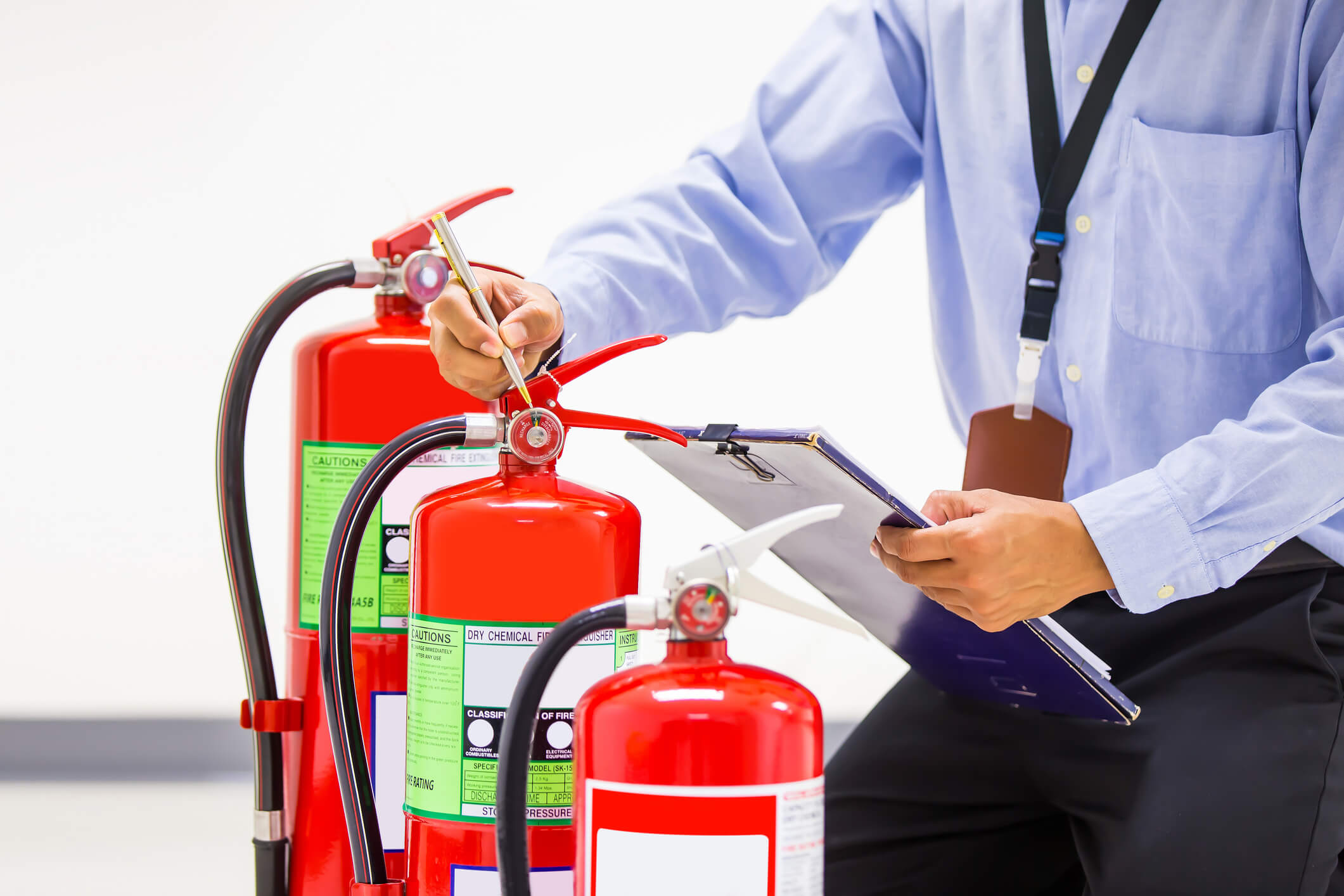
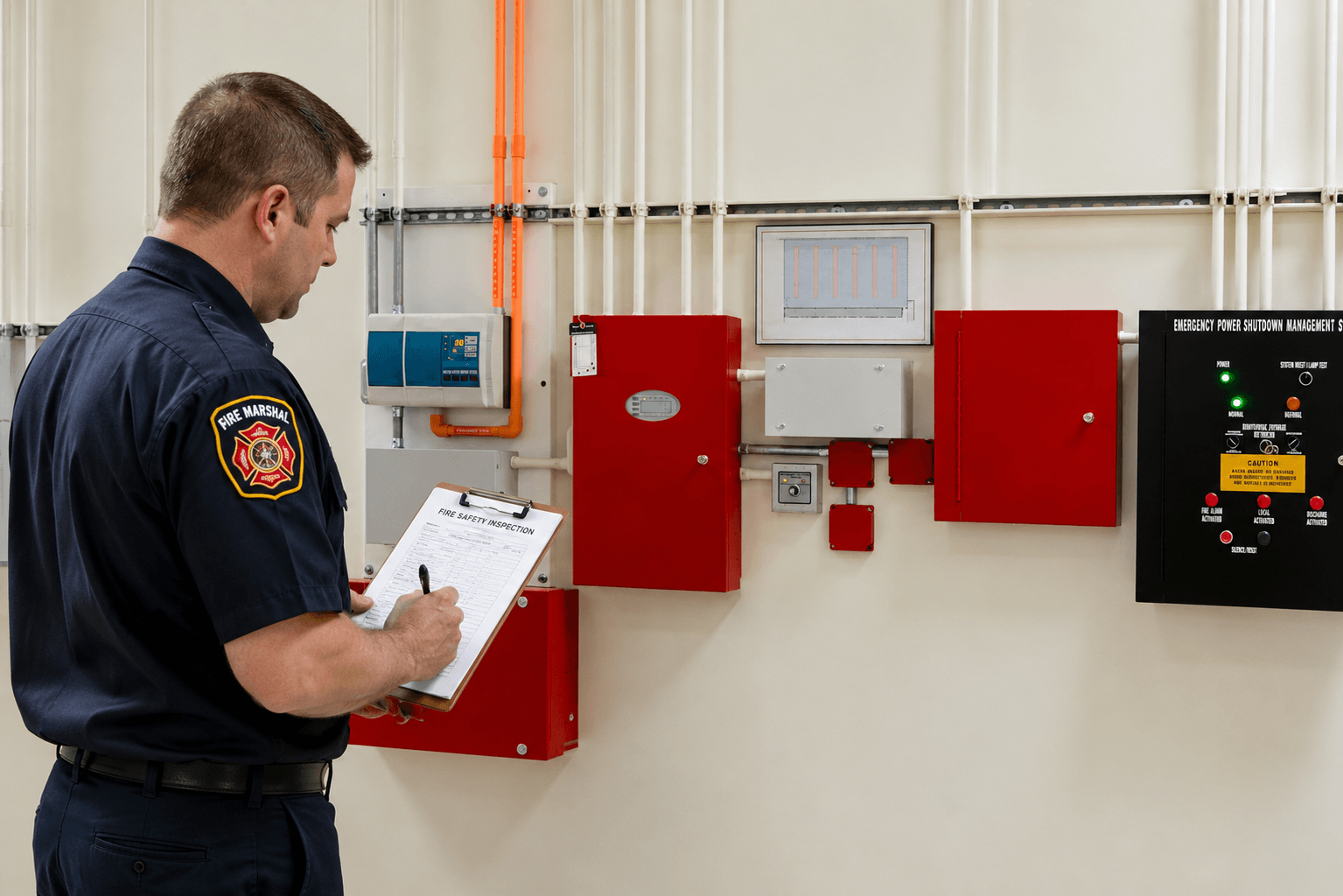
NFPA 10, the Standard for Portable Fire Extinguishers, requires monthly visual inspections to verify each extinguisher remains in its designated location, shows no physical damage, and maintains proper fullness as confirmed by weighing or lifting. For CO2 extinguishers, which typically lack pressure gauges, weight verification becomes especially important.
Annual maintenance performed by qualified technicians represents another NFPA 10 requirement. This thorough examination includes inspecting mechanical parts, verifying the discharge mechanism functions properly, checking for internal corrosion, and confirming the extinguishing agent remains at proper levels. Technicians install new tamper seals after each service, providing visual confirmation that the unit hasn't been discharged since inspection.
CO2 extinguishers should be mounted on walls at heights between 3.5 and 5 feet from the floor to the extinguisher handle, ensuring accessibility without creating trip hazards. The distinctive black label on CO2 extinguishers provides immediate visual identification, distinguishing them from other types like dry chemical extinguishers (blue label) or aqueous film-forming foam units.
Protect Your Property with Expert Fire Safety Solutions
Carbon dioxide extinguishers are a vital part of fire protection plans—protecting property, people, and business continuity. Their unique design makes them indispensable for sites with electrical systems and flammable liquids.
Building owners who understand proper application, limitations, and maintenance requirements can deploy these systems effectively while meeting all regulatory obligations.
Partner with experienced fire protection professionals who can assess your specific risks, recommend appropriate equipment, and provide ongoing inspection services.
Contact the fire safety experts at Impact Fire to ensure your property has the right fire protection systems properly maintained and ready when needed.