Fire suppression systems often battle dual-threat situations:
How do you protect against fire damage without risking equally devastating water damage?
Traditional sprinklers activate immediately when heat triggers individual heads, releasing water that can destroy servers, documents, and irreplaceable assets.
Pre-action sprinkler systems solve this dilemma through intelligent, staged activation that verifies fire conditions before releasing water, making them essential protection for data centers, museums, and other water-sensitive commercial environments.
Key Takeaways
- Pre-action sprinkler systems require dual activation—detection system signal plus sprinkler head heat exposure—before water discharges, preventing costly false activations in water-sensitive environments
- Three system types (single interlock, double interlock, non-interlock) offer varying levels of protection, with double interlock providing maximum safeguards against accidental discharge for irreplaceable assets
- Ideal applications include data centers, museums, pharmaceutical facilities, and freezer warehouses where accidental water damage could equal or exceed potential fire losses
- Most commercial buildings achieve adequate protection through simpler wet pipe systems—pre-action technology should be specified only when genuine water sensitivity justifies the premium cost and maintenance requirements
What Is a Pre-Action Sprinkler System?
A pre-action sprinkler system is a specialized fire protection technology designed to prevent accidental water discharge while maintaining effective fire suppression capabilities.
Unlike conventional wet pipe systems that keep water constantly pressurized throughout the piping network, pre-action systems keep pipes dry until a fire detection system confirms the presence of actual fire conditions.
Fire sprinkler effectiveness data demonstrates the value of automatic suppression systems across all types. Research from the National Fire Protection Association shows that properly installed and maintained automatic sprinkler systems are effective in 89% of fires large enough to activate them.
For water-sensitive environments, pre-action systems provide this fire suppression effectiveness while adding critical protection against false activations that could damage expensive equipment or irreplaceable materials.

How Does a Pre-Action Sprinkler System Work?
The defining characteristic of pre-action systems lies in their two-stage activation process.
- First, an independent fire detection system using smoke or heat sensors must identify potential fire conditions and signal the pre-action valve to open.
- Second, individual sprinkler heads must reach their thermal activation temperature before water discharges.
This dual-trigger approach ensures water releases only when both detection devices and heat-sensitive sprinkler heads confirm fire presence.
Different types of sprinkler systems serve distinct commercial applications, but pre-action systems excel specifically in environments requiring both fire suppression capability and water damage prevention.
The Activation Phase
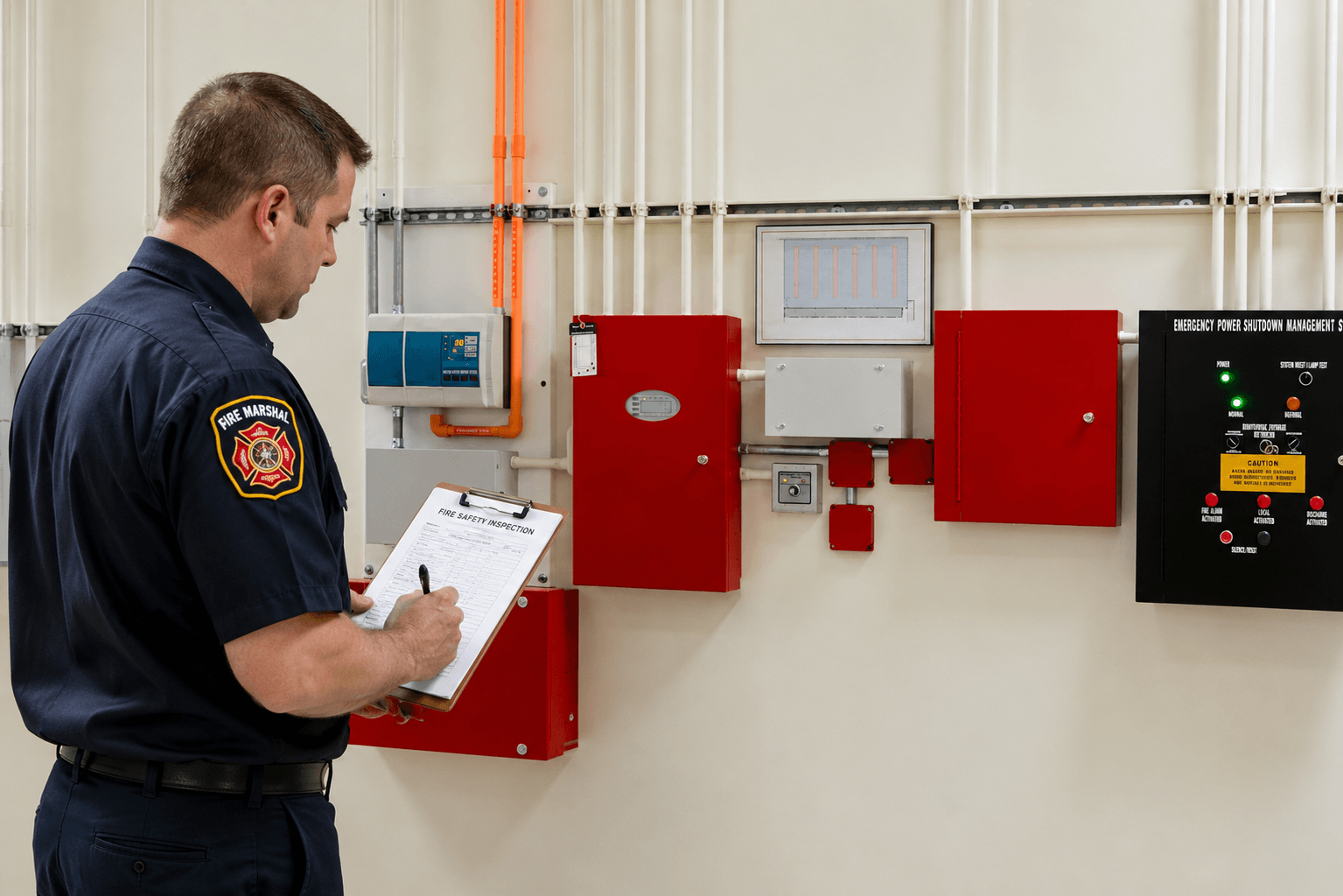
The activation sequence begins when fire detection devices identify smoke, heat, or flame conditions. When detectors sense fire indicators that exceed programmed thresholds, they send electronic signals to the pre-action control panel.
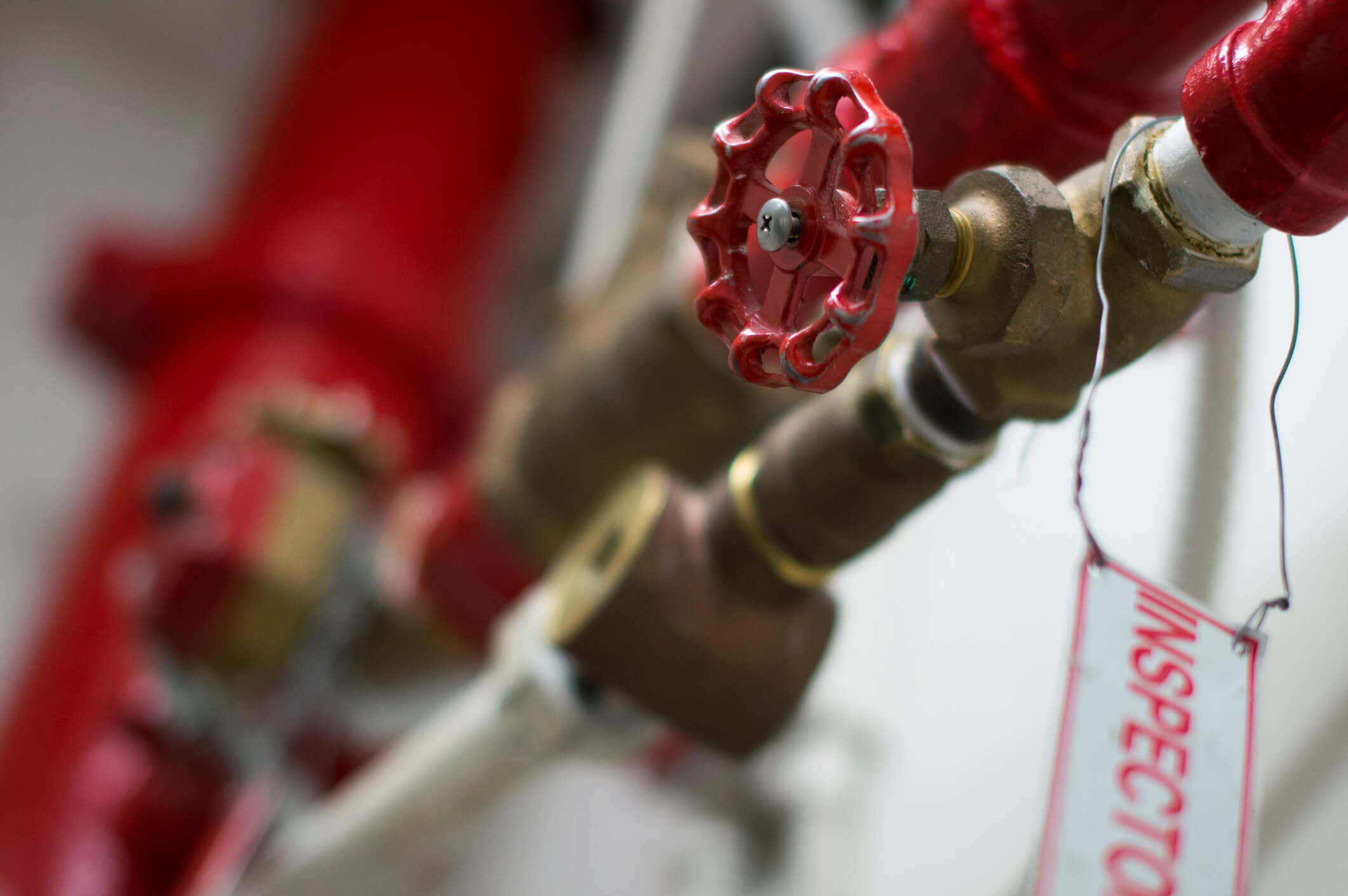
This valve serves as the system's gatekeeper, separating the water supply from the distribution piping network. When the valve opens, water flows into the previously dry pipes, transforming the system into a charged wet pipe configuration.
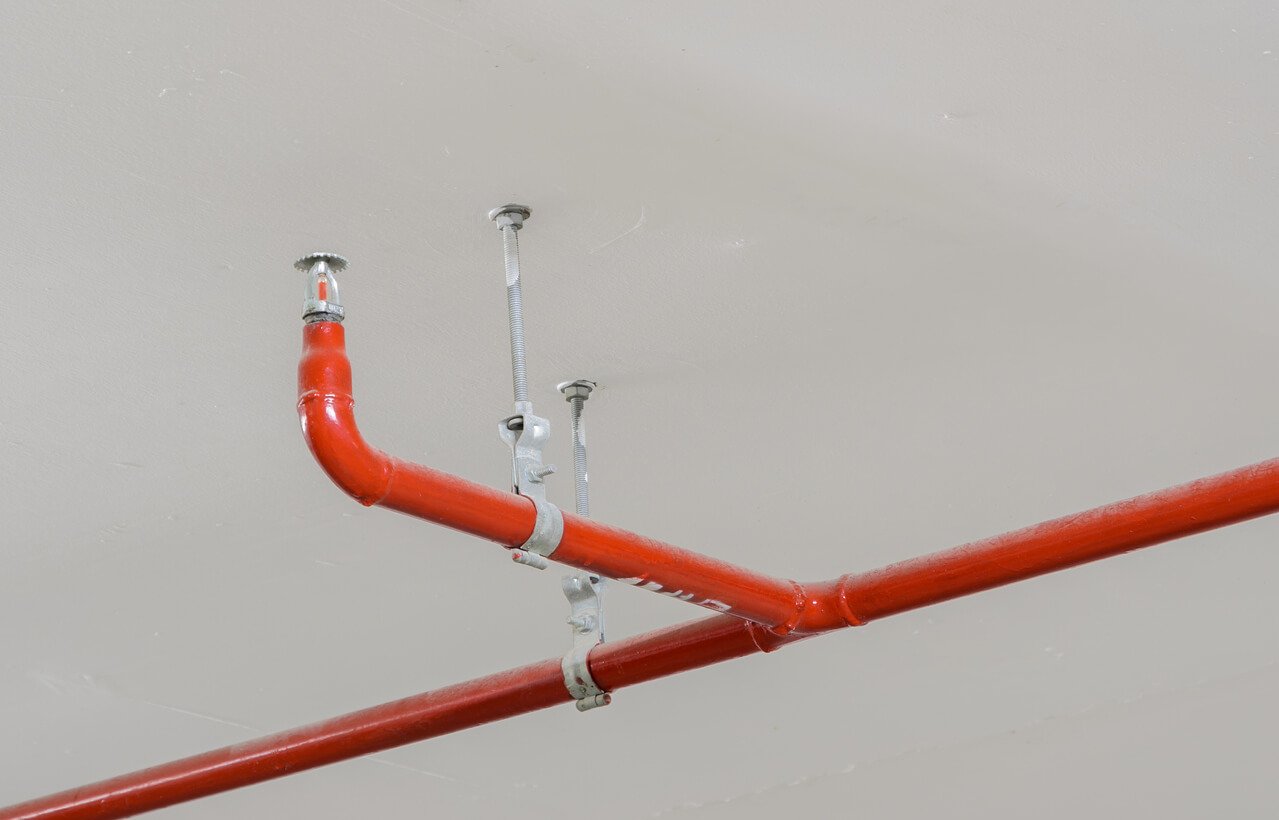
However, water does not immediately discharge into protected areas. The system requires a second independent activation before water releases. Sprinkler heads throughout the protected area contain heat-sensitive elements—typically glass bulbs filled with glycerin-based liquid or fusible metal links. These elements remain intact until exposed to temperatures ranging from 135°F to 286°F, depending on their rating and the application requirements.
The Release Phase
When a sprinkler head's sensing element reaches its rated temperature threshold, it breaks or melts, releasing the cap that holds back water pressure. Only then does water discharge through that specific sprinkler head onto the fire below. This localized discharge means only sprinklers directly exposed to fire conditions activate, minimizing water usage and limiting potential water damage to affected areas.
The staged activation provides a crucial investigative window. If detection devices trigger due to dust, steam, or other non-fire conditions, facility personnel can investigate the alarm before water enters the piping. If no actual fire exists, the system can be reset without water discharge. However, if fire conditions persist and temperatures continue rising, sprinkler heads will activate automatically to suppress the fire, ensuring protection even if personnel cannot respond.
Three Types of Pre-Action Systems
Pre-action systems are available in three distinct configurations, each offering different levels of protection against accidental water discharge and varying response characteristics.
Single Interlock Systems
Single interlock pre-action systems represent the most common configuration for commercial applications requiring water damage prevention without excessive complexity. These systems admit water to sprinkler piping when the detection system activates, but individual sprinkler heads must still reach their thermal rating before water discharges.
Single interlock systems prove ideal for facilities requiring balanced protection, such as telecommunications equipment rooms, research laboratories, and commercial document storage facilities.
NFPA 13 standards limit single interlock systems to a maximum of 1,000 automatic sprinklers controlled by any single pre-action valve, ensuring manageable water delivery times and system complexity.
Double Interlock Systems
Double interlock pre-action systems provide the highest level of protection against accidental water discharge by requiring both detection system activation and sprinkler head operation before water enters the piping. These systems essentially combine characteristics of single interlock and dry pipe systems, typically incorporating a dry-pipe valve mounted on top of a pre-action valve.
The dual-requirement approach means activation of detection devices alone or sprinkler heads alone will trigger alarms but will not allow water to enter the piping system. Only when both conditions occur simultaneously does water flow into the distribution network and discharge through opened sprinkler heads. This redundant protection makes double interlock systems particularly valuable in freezer warehouses where accidental valve operation could result in immediate pipe freezing, and in facilities housing irreplaceable artifacts where any water discharge must be absolutely prevented unless actual fire conditions exist.
The enhanced protection comes with trade-offs in response time and complexity. Double interlock systems typically require larger design areas than single interlock configurations due to extended water delivery times.
Non-Interlock Systems
Non-interlock pre-action systems admit water to sprinkler piping upon activation of either detection devices or automatic sprinklers, not requiring both as double interlock systems do. This configuration prioritizes faster response times over maximum accidental discharge protection.
When detection devices activate, the pre-action valve opens and water enters the piping network. Alternatively, if a sprinkler head operates due to heat exposure, this pneumatic signal also triggers the pre-action valve to open. The system's operation resembles single interlock systems but with the added flexibility of sprinkler-only activation, which can reduce response times in scenarios where fire development bypasses detection devices or where detection systems experience delays.
The reduced protection against accidental discharge makes non-interlock systems less suitable for highly water-sensitive environments.
Where Pre-Action Sprinkler Systems Provide the Most Value
Pre-action systems excel in commercial environments where the cost of accidental water discharge could match or exceed potential fire damage.
They’re often best in:
- Data Centers and Server Rooms: Server infrastructure supporting critical business operations, cloud computing, and digital transactions requires protection from both fire and water damage, making pre-action systems the standard of care for these environments.
- Museums, Archives, and Libraries: Cultural institutions housing irreplaceable artifacts, historical documents, and rare book collections cannot accept the risk of accidental water discharge from traditional wet pipe systems, making pre-action systems essential for balancing fire suppression capability with protection of priceless materials that cannot be replaced easily.
- Pharmaceutical Manufacturing and Clean Rooms: Pharmaceutical facilities combine expensive manufacturing equipment with strict contamination control requirements, and pre-action systems keep piping dry under normal conditions to eliminate water contamination risks from slow leaks
- Freezer Warehouses and Cold Storage Facilities: Cold storage facilities operating below freezing temperatures face immediate pipe freezing risks from accidental water discharge, and double interlock pre-action systems specifically prevent water from entering sub-freezing pipes unless both detection and sprinkler activation occur, while air pressure monitoring provides continuous surveillance of piping condition.
The common thread across these applications is simple: when the protected assets are irreplaceable, highly valuable, or extremely sensitive to water exposure, pre-action systems provide a practical solution.
The Most Common Pre-Action System Limitations
While pre-action systems provide valuable protection for water-sensitive environments, their increased complexity and higher costs make them inappropriate for many commercial applications.
- Higher Installation Costs: Pre-action systems often come at a premium that reflects additional components, including detection devices, specialized valves, air compressors, and integrated control panels that cannot be justified for facilities without significant water-sensitive assets.
- Increased Maintenance Complexity and Costs: Annual maintenance costs can be costly for wet pipe configurations, with the higher burden stemming from detection device testing, valve functional checks, air pressure system inspection, control panel maintenance, and significantly more potential failure points.
- Extended Response Times: Pre-action systems involve water delivery delays beyond wet pipe systems because pipes must fill after valve activation, and NFPA 13 requires double interlock systems to deliver water to the test connection within 60 seconds—necessitating larger design areas to compensate for extended response times that make them inappropriate where rapid suppression is critical for occupant life safety.
- Potential Reliability Concerns: The complexity of pre-action systems creates more opportunities for failure through detection device malfunctions, control panel glitches, or valve mechanism issues, while wet pipe systems benefit from mechanical simplicity with water constantly available at sprinkler heads ready to discharge when needed.
Most commercial buildings, including heated offices, retail stores, educational facilities, healthcare environments, and general manufacturing spaces, achieve effective fire protection through wet pipe systems at substantially lower cost with reduced maintenance requirements.
The key question safety managers should ask: does your facility house truly irreplaceable or water-sensitive assets worth the cost premium and ongoing maintenance complexity, or will a properly designed wet pipe system provide adequate protection at significantly lower lifecycle costs?
Choose the Right Fire Suppression System for Your Facility
Pre-action sprinkler systems excel in environments where water-sensitive assets require protection from both fire damage and accidental water discharge.
However, the cost premium, increased maintenance complexity, and extended response times mean pre-action systems are not appropriate for most commercial applications.
Safety managers must conduct thorough risk assessments that evaluate actual water damage potential against system costs and ongoing maintenance requirements.
The decision to specify pre-action systems should be driven by genuine asset sensitivity rather than perceived sophistication.
Contact Impact Fire's fire protection experts to discuss your specific facility requirements and receive professional guidance on whether pre-action systems or alternative fire suppression approaches best serve your protection needs, operational requirements, and budget constraints.